What Is Organic Modern Style? The Look, the Materials and How to Tell It Apart
What is organic modern style? Modern, uncluttered rooms softened by natural materials, curved shapes and warm neutrals. The key elements, how it differs from Japandi, Scandinavian and boho, and where to start.

In this guide · 7 sections
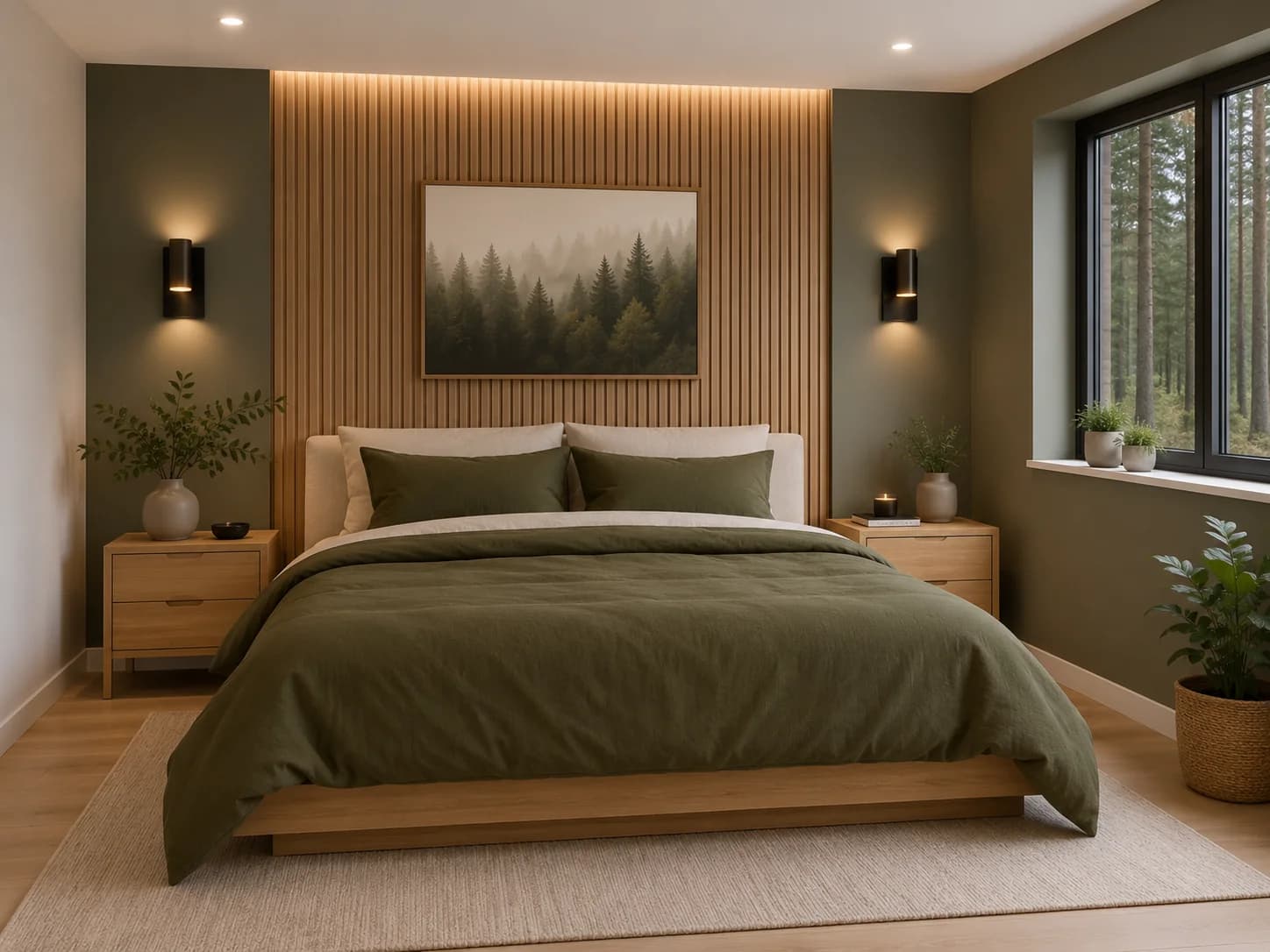
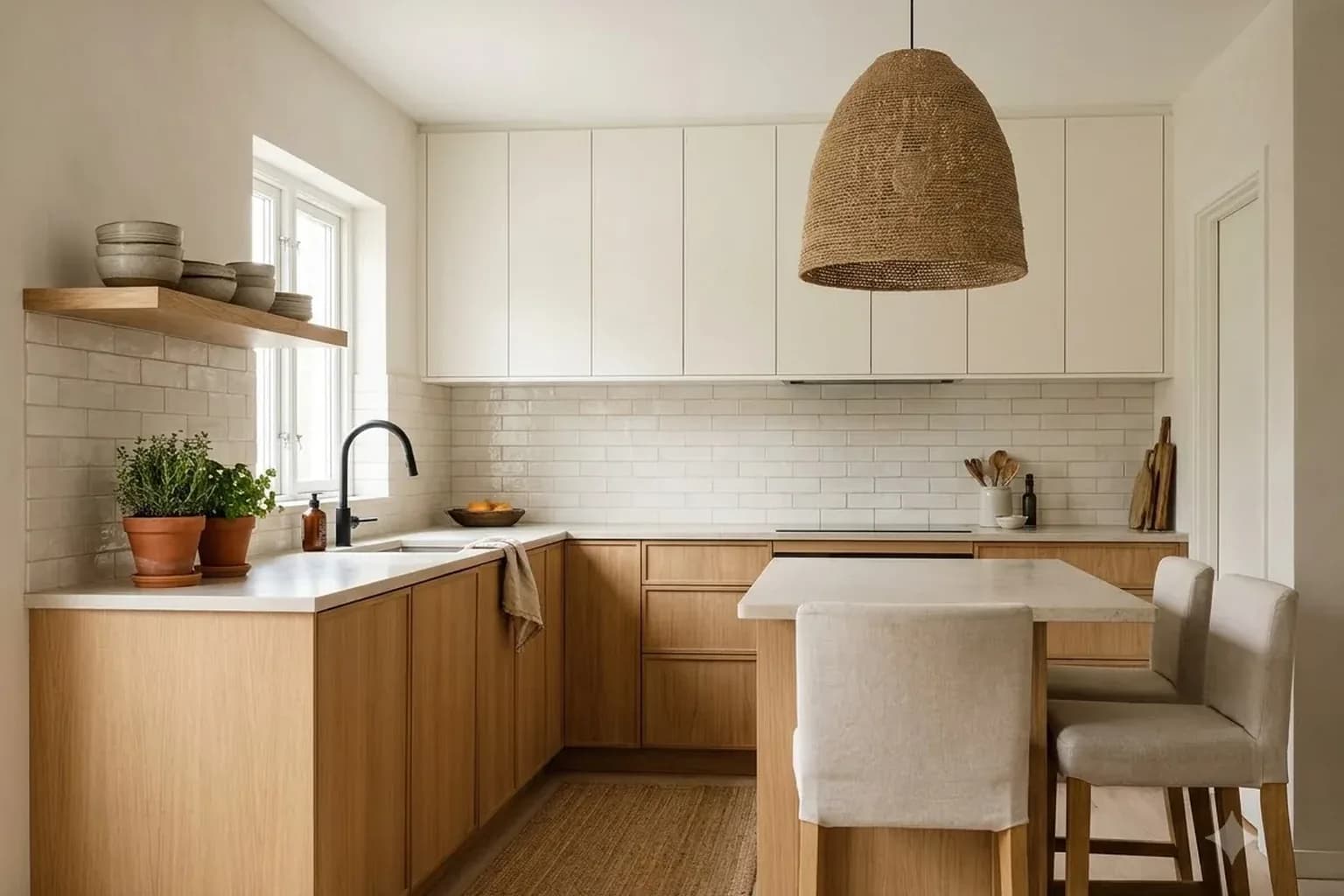
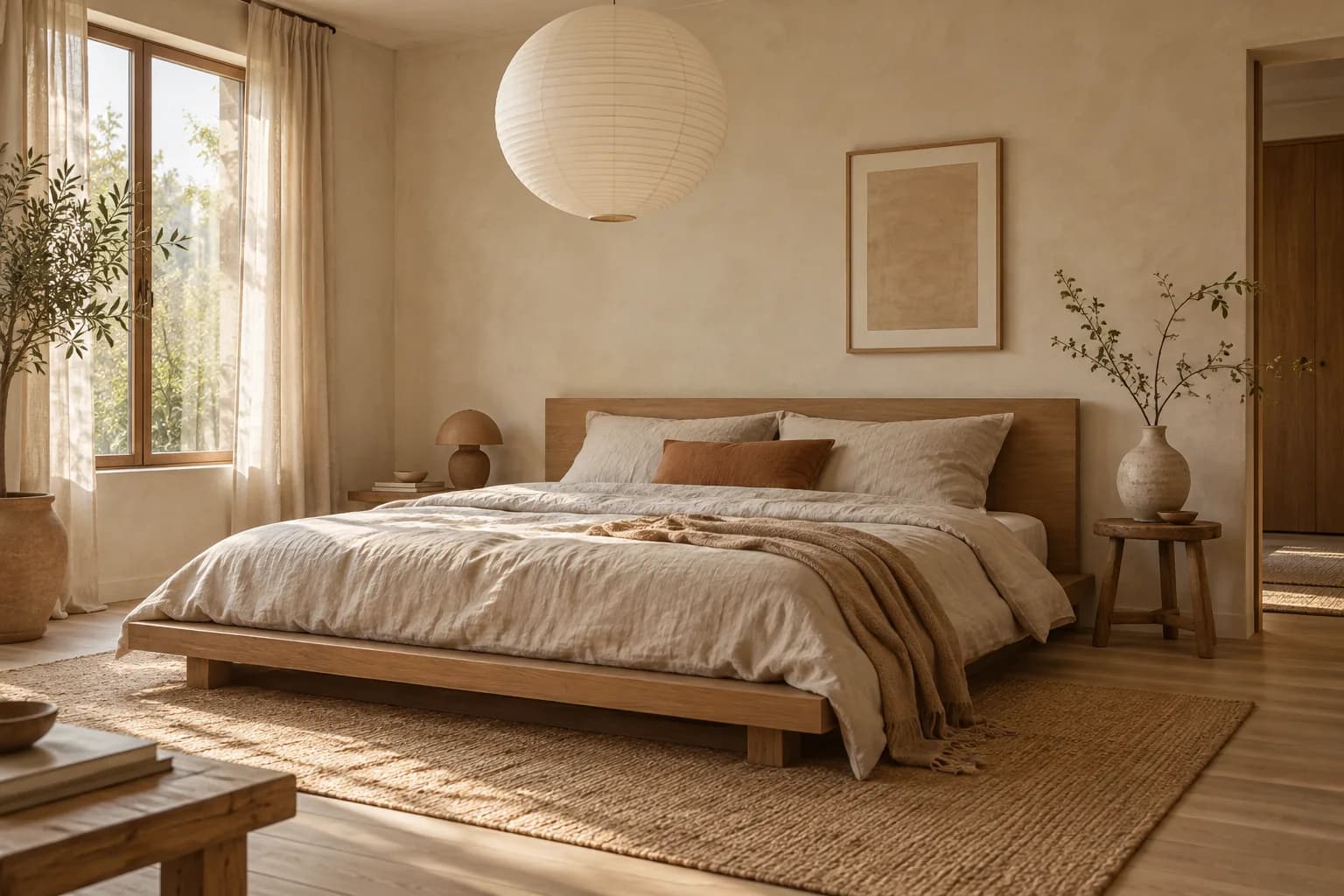
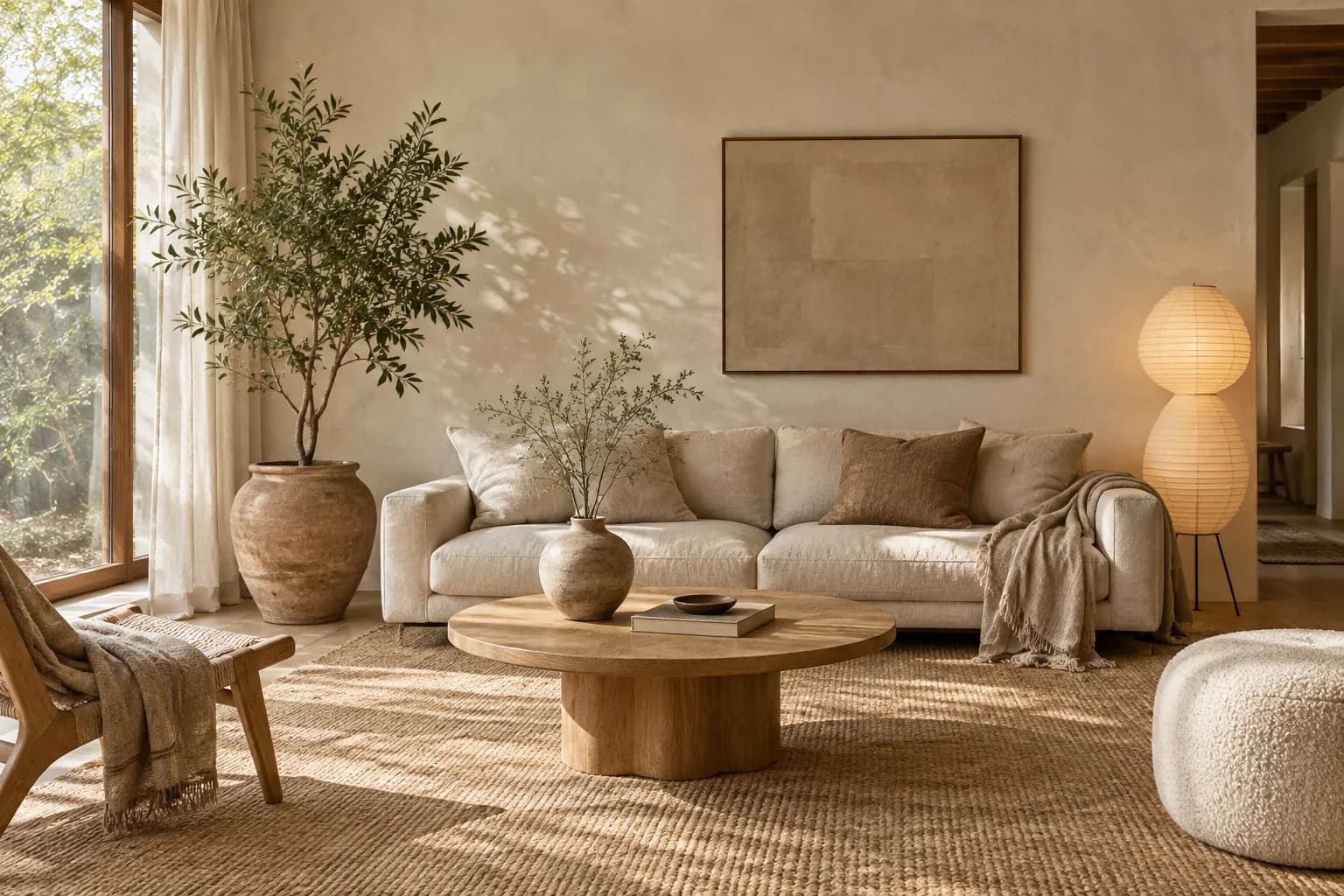
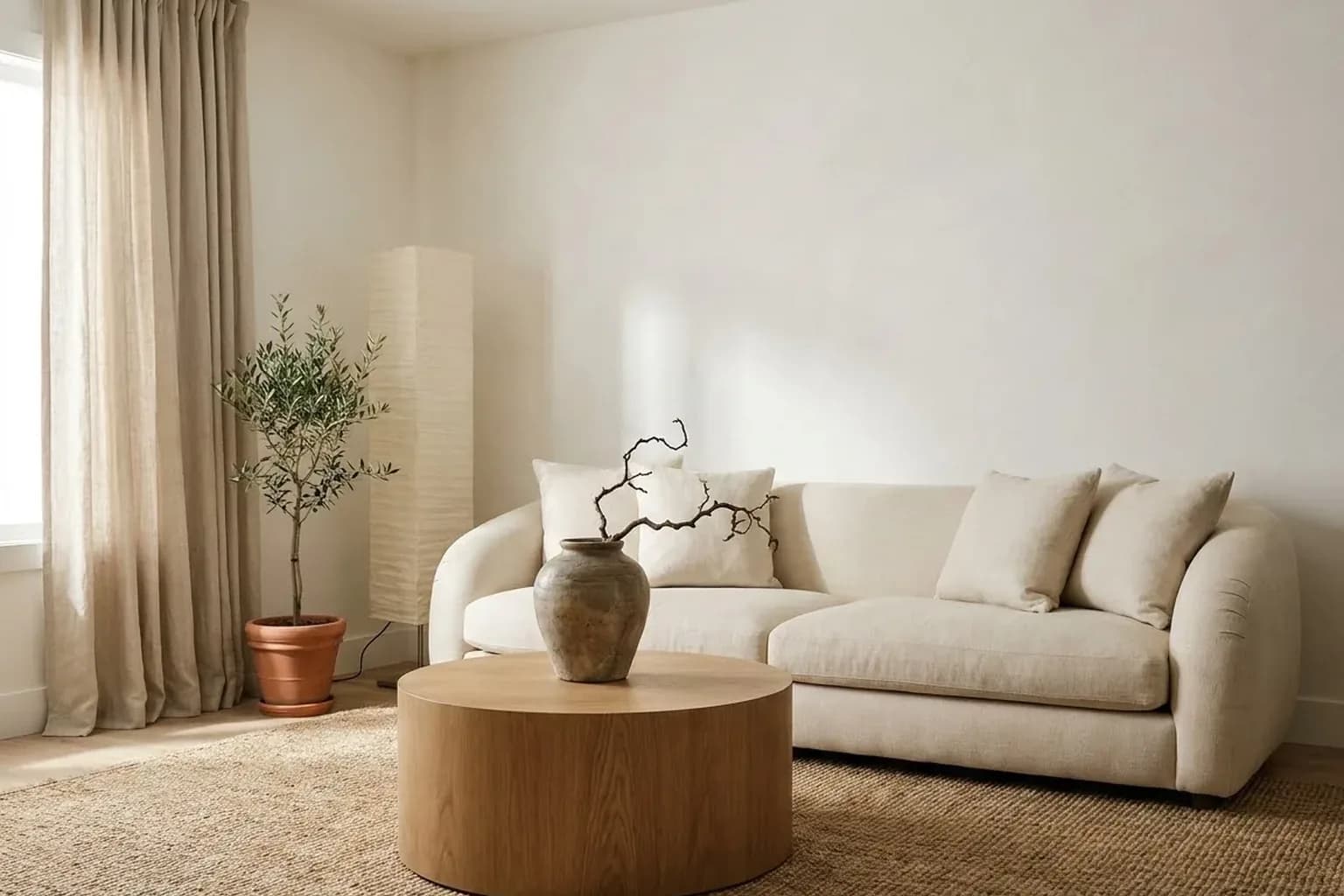
What is organic modern style? It is modern design, with its clean lines, open space and lack of ornament, softened by natural materials and organic shapes: wood with visible grain, stone, linen, wool, clay, curved furniture and plants, in a palette of warm neutrals. Think of it as minimalism that kept the calm and gave up the coldness.
The name describes the two halves. "Modern" is the structure: simple forms, little clutter, every piece with a purpose. "Organic" is the surface and the shape: natural, textured, slightly irregular. A room needs both. All modern and it feels like a showroom; all organic and it drifts into rustic or boho.
Organic Modern Style at a Glance
| Element | What it looks like |
|---|---|
| Palette | Cream, oatmeal, sand, warm white, mushroom; olive or sage as the main color; matt black in small touches |
| Woods | Light oak or walnut, matt finish, visible grain |
| Other materials | Travertine and other pale stone, linen, wool, bouclé, jute, clay, plaster |
| Shapes | Low, horizontal furniture; rounded corners, curves and arches beside straight lines |
| Walls | Pale and matt, often with soft movement from plaster or limewash |
| Decor | Few, larger pieces: one big vase, one branch, one bowl |
| Light | Warm and layered: paper, linen or ceramic lamps, no harsh overhead glare |
| Plants | One or two sculptural plants, such as an olive tree, instead of many small pots |
Where the Style Comes From
The idea is older than the label. Organic design has roots in mid-century modernism, when architects and furniture designers worked with curved, nature-inspired forms and tried to connect buildings to their surroundings. Frank Lloyd Wright used the term organic architecture for that aim, and the molded chairs of Charles and Ray Eames and Eero Saarinen brought soft, body-shaped curves into modern furniture.
The current version is usually described as a reaction to the cool grey, high-gloss minimalism that was common in the 2010s. It keeps the open, simple rooms and replaces the grey and the shine with warm tones and matt, natural surfaces.
The Six Elements
1. A warm neutral base
Most of the room, walls, large furniture and rug, sits in a narrow band of warm pale tones. The undertone matters more than the exact shade: cream and sand, not blue-white or cool grey.
2. Natural materials you can see and feel
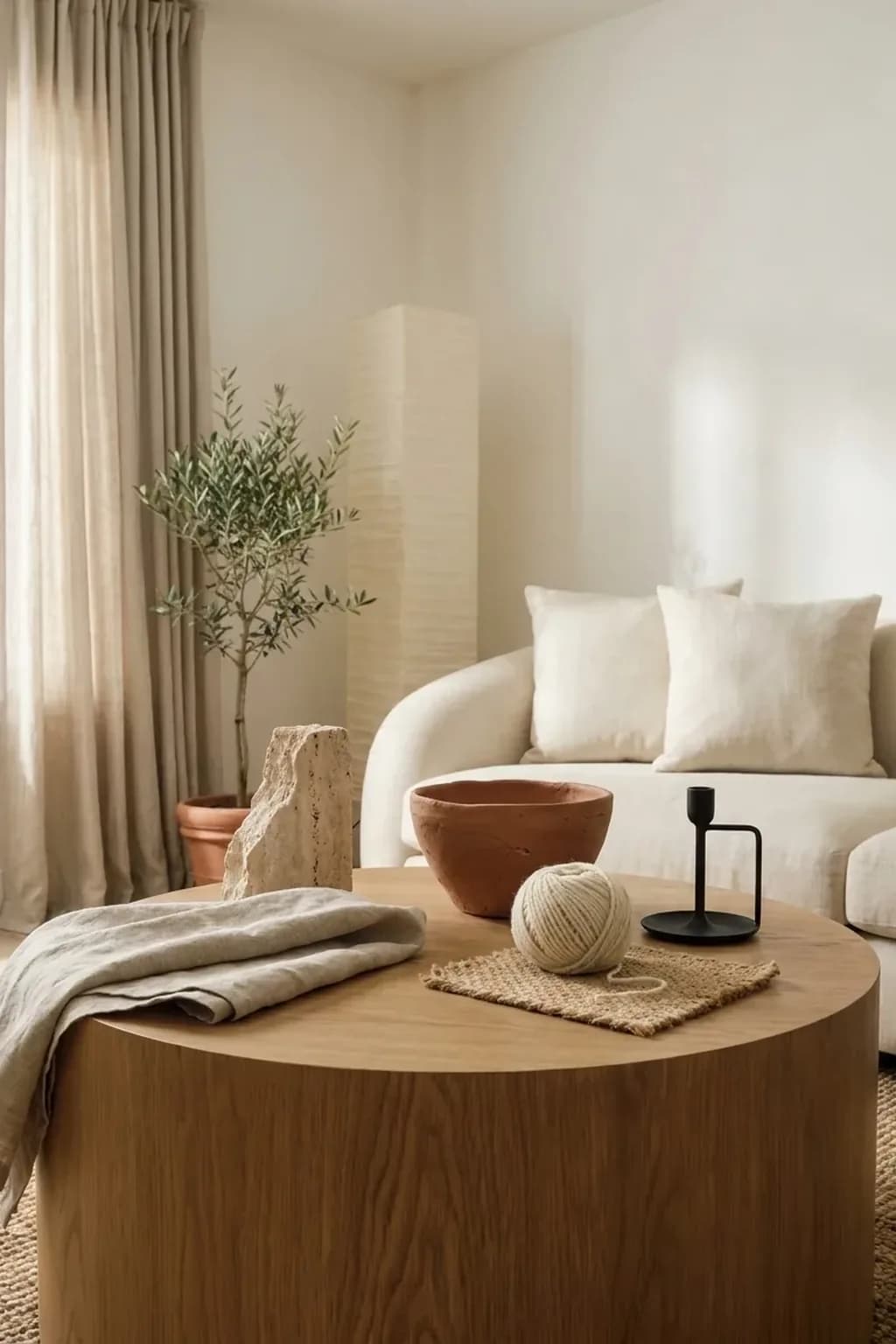
Wood is not painted over. Stone is honed, not polished. Fabrics have a visible weave. The style avoids anything that imitates a material badly, and prefers one real oak table to five veneered pieces.
3. Curves beside straight lines
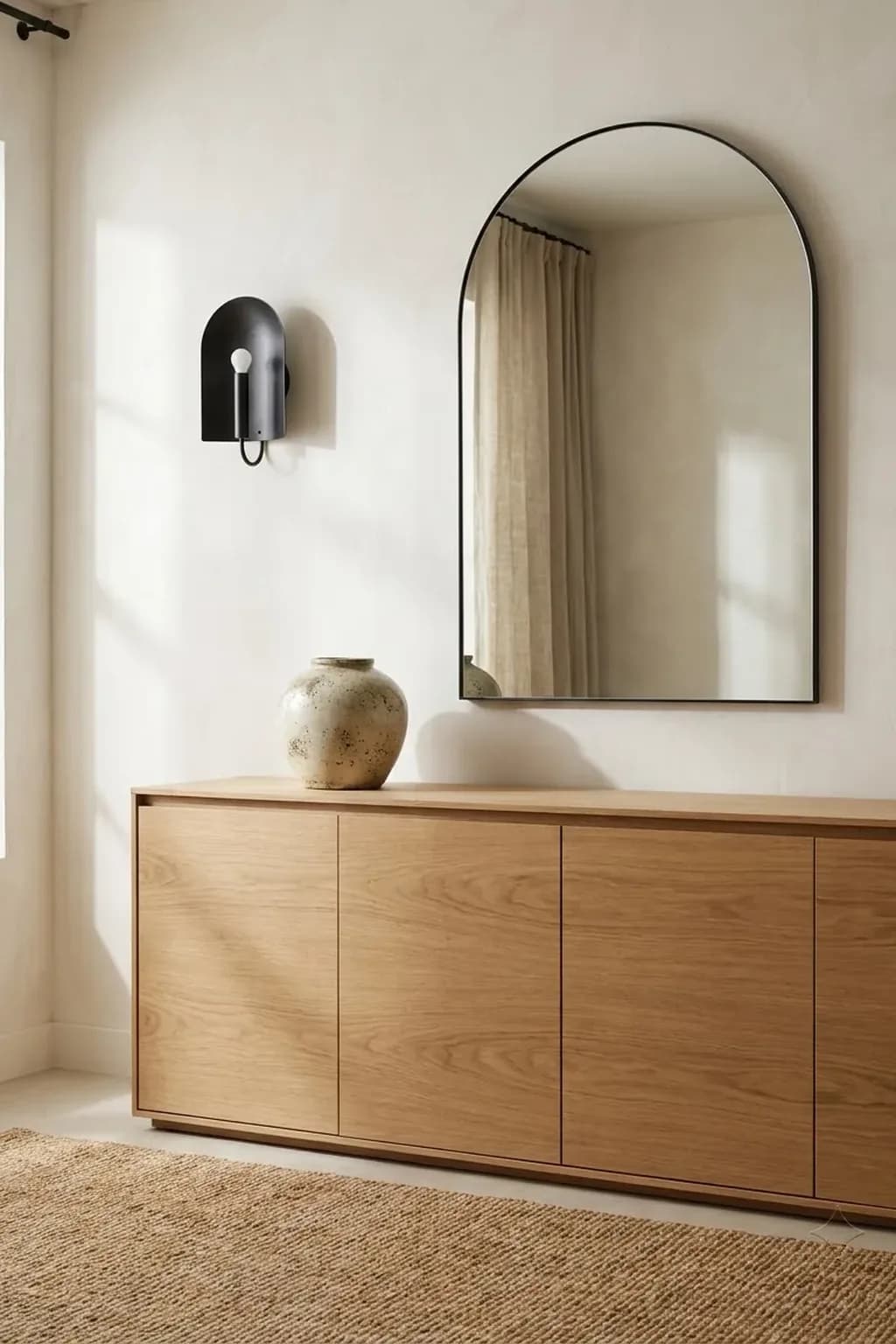
A curved sofa, a round coffee table, an arched mirror or a rounded vase sits against straight cabinets and plain walls. Too many curves become a theme; one or two per room is enough.
4. Texture instead of pattern
There is almost no print. Interest comes from contrast between surfaces: bouclé against smooth wood, rough clay on honed stone, a ribbed cabinet front beside a flat wall.
5. Space left empty
Surfaces are mostly clear, and furniture has room around it. This is the modern half doing its work. Storage is closed, and what is displayed is chosen.
6. A little black
Thin black lines, a lamp base, a frame, a tap, keep all the cream from blurring together. Three or four small touches in a room.
Organic Modern vs Similar Styles
These styles share natural materials and neutral colors, which is why they get confused. The differences are in shape, strictness and how much is on show.
| Style | Shares with organic modern | Main difference |
|---|---|---|
| Japandi | Wood, calm palette, little clutter | Stricter and more angular; lower furniture; darker accents; less softness and fewer curves |
| Scandinavian | Light wood, simplicity | Cooler and brighter whites, more painted surfaces, more color and pattern in textiles |
| Minimalism | Empty space, few objects | Less texture and warmth; materials can be industrial or glossy |
| Boho | Natural fibers, plants | Much more pattern, color and layering; collected and informal where organic modern is edited |
| Mid-century modern | Organic shapes, wood | Stronger colors, tapered legs, more distinct statement pieces and period character |
| Modern farmhouse | Neutral palette, wood | Rustic details, shiplap, black-and-white contrast, more traditional shapes |
| Mediterranean | Plaster, arches, clay | More color, pattern tile and wrought iron; tied to a regional tradition |
If you are choosing between the two closest relatives, compare our Japandi living room ideas with our organic modern living room ideas: the same materials produce quite different rooms.
Is It Right for Your Home?
Pros
- Calm and easy to live with; it does not date quickly because it avoids strong trends in color and pattern.
- Works with ordinary modern apartments and plain new-build rooms.
- You can move toward it gradually, one piece at a time.
- Natural materials age well and can be bought secondhand.
Cons
- Pale upholstery and rugs show marks, which matters with children and pets.
- Solid wood, stone and wool cost more than their imitations.
- It needs closed storage and regular editing to stay uncluttered.
- Many photographs of the style show very large homes, which can set unrealistic expectations for a small room.
The cream-sofa problem has easy answers: choose olive, mushroom or oatmeal upholstery, washable slipcovers, and a jute or patterned-weave rug that hides wear.
How to Start
You do not need to replace a room. In order of effect for the money:
- Remove. Clear surfaces and take down small, scattered decor. The style begins with less.
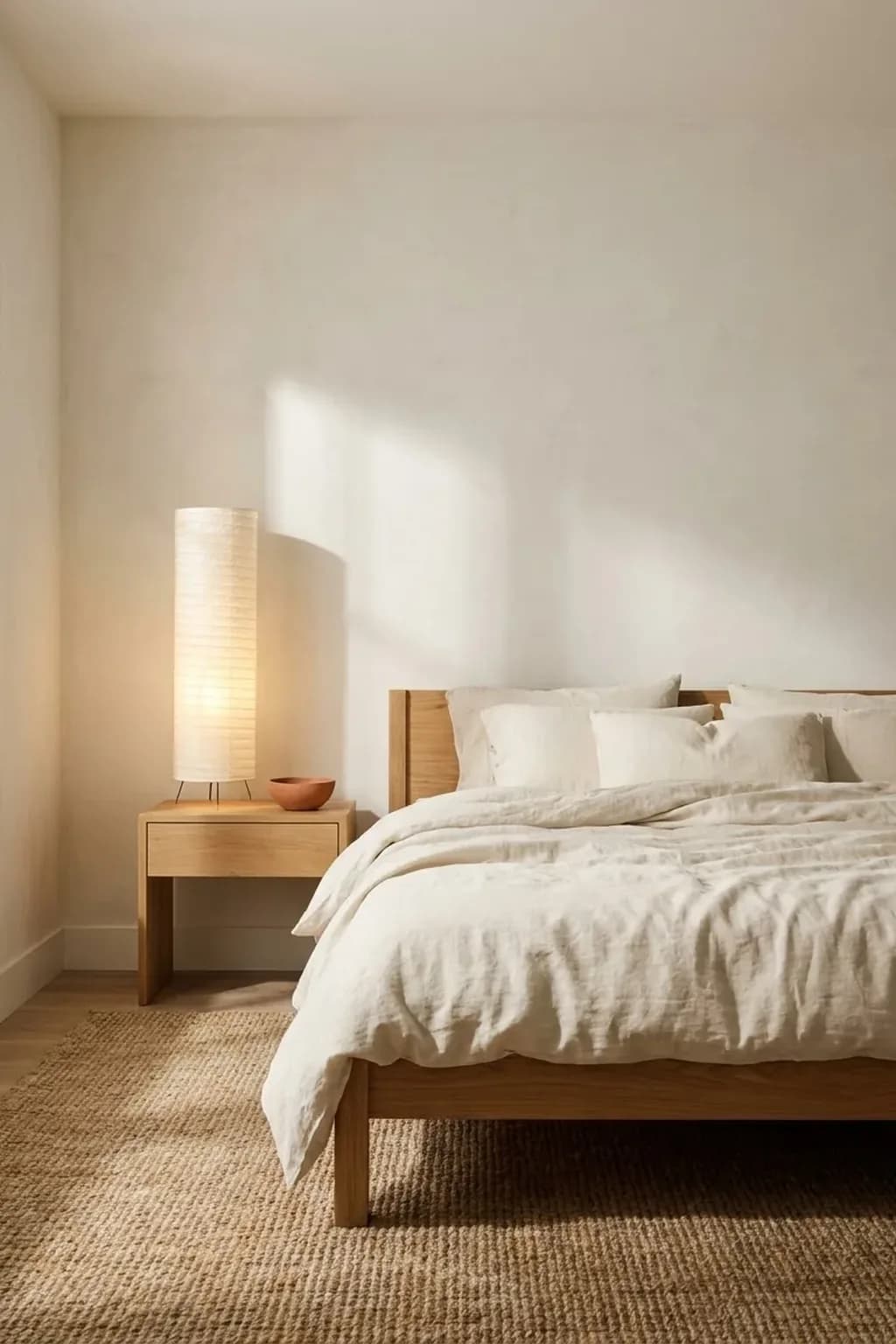
- Change the light. Warm bulbs, and one lamp with a paper, linen or ceramic shade.
- Add texture at scale. A large jute or wool rug and full-length linen-look curtains hung high.
- Bring in one curve. A round coffee table, a rounded armchair or an arched mirror.
- Pick one wood. Repeat a single tone, oak or walnut, in the pieces you add.
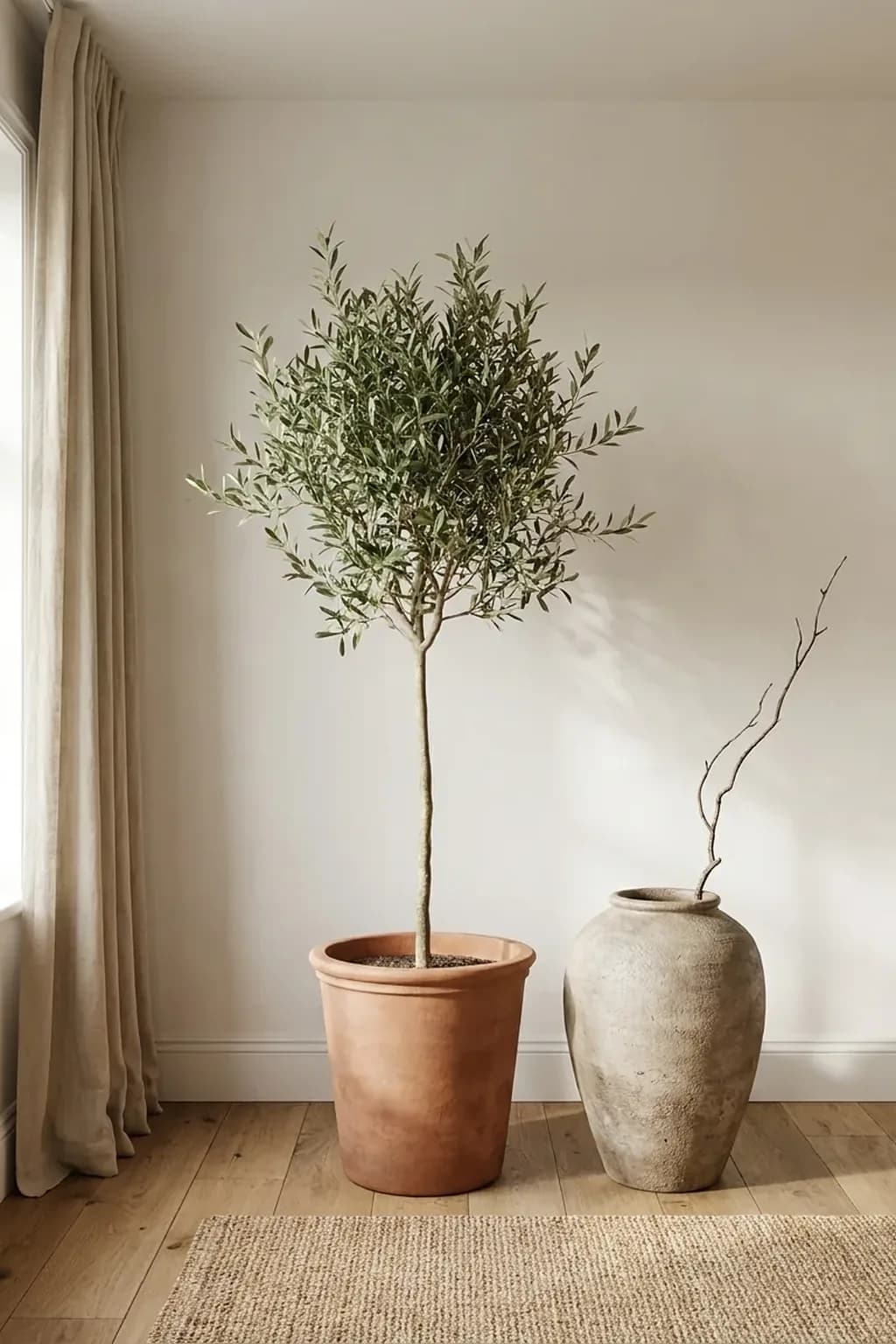
- One large plant, one large vessel. A tree-like plant in a clay pot; a big stoneware vase with a single branch.
For room-by-room detail, see the organic modern bedroom guide, which includes a palette table and a budget order, and our organic modern kitchen ideas. The cloudy plaster walls in many photos can be imitated with paint: limewash vs paint explains the options.
Practical Takeaway
Organic modern style is a modern room made warm: plain shapes, clear surfaces and a pale, warm palette, with wood, stone, linen and one or two curves doing the decorating. If a room feels cold, add texture. If it feels busy, take something out.
FAQ
What defines organic modern style?
Clean-lined, uncluttered modern rooms combined with natural materials, organic shapes and warm neutral colors. The usual signs are a pale textured sofa, a solid wood or stone table, matt walls, a jute or wool rug and a large plant.
What colors are organic modern?
Cream, oatmeal, sand, warm white and mushroom as the base; oak or walnut; olive or sage green as the main color; rust or clay in small amounts; and matt black accents.
What is the difference between organic modern and Japandi?
Japandi blends Japanese and Scandinavian design and is stricter: lower, more angular furniture, darker accents and very little softness. Organic modern uses more curves, more cream and more plush texture such as bouclé.
Is organic modern the same as modern organic?
Yes. The two phrases describe the same style; the word order varies between designers and retailers.
Is organic modern style going out of fashion?
It is built on plain shapes and natural materials rather than a single color or motif, which tends to age slowly. Some signature pieces, such as all-bouclé furniture, are likely to date sooner than the overall approach.
Can organic modern have color?
Yes, in muted, earthy tones: olive, sage, rust, clay, ochre. One main color per room, used in a large piece or repeated in a few accents, keeps it within the style.